Nature Physics, Published online: 24 September 2026; doi:10.1038/s41567-026-03441-x
The origin of the strange metal state is still not known. Now, numerical results suggest that it follows from the quantum statistics of charge carriers, not the temperature dependence of the processes that scatter them.122 ranked entries (highest score first, 0 with PDF summaries)
Multilevel molecular weaving Score 0.42
Nature Materials, Published online: 24 September 2026; doi:10.1038/s41563-026-02754-9
Molecular weaving provides a bottom-up strategy for topological control of materials properties. Here, multiple woven topologies are incorporated in a single two-dimensional polymer network through the regulation of monomer size and solvent templating.Pt‐based intermetallic nanoparticles (NPs) are among the most effective electrocatalysts for the oxygen reduction reaction (ORR), yet simultaneously achieving high metal loading, ultrasmall particle size, and atomic ordering remains a longstanding challenge because the high‐temperature annealing required for intermetallic ordering inevitably induces particle coarsening. Here, we demonstrate that mesopore‐induced nanoconfinement mitigates this size–ordering–loading trade‐off, enabling the synthesis of highly dense (∼40 wt.%), sub‐3 nm intermetallic PtCu nanoparticles within ordered mesoporous carbon (CMK‐3). In contrast, microporous carbon supports with comparable surface areas produce much larger nanoparticles (∼8.3 nm), highlighting the critical role of mesoporous confinement rather than surface area alone. Molecular dynamics simulations reveal that geometric confinement suppresses PtCu atomic mobility while interactions between the mesopore walls and PtCu nanoparticles promote chemical ordering during annealing. The intermetallic PtCu/CMK‐3 catalyst exhibits substantially enhanced ORR activity and durability compared with disordered PtCu alloys and carbon black‐supported intermetallic PtCu. Furthermore, sulfur‐doped CMK‐3 strengthens metal–support interactions, leading to improved nanoparticle dispersion and further enhanced ORR performance. These findings establish mesopore‐engineered nanoconfinement as a general strategy for decoupling particle size, atomic ordering, and metal loading, providing a versatile platform for designing high‐performance intermetallic nanomaterials for electrocatalysis and beyond.
Ruthenium (Ru)‐based materials are promising catalysts for alkaline water electrolysis; however, their practical application is severely limited by insufficient activity and poor stability. To address these challenges, we proposed an in situ gas‐phase transformation strategy that constructs strongly coupled heterointerfaces with atomic‐scale intimate contact, yielding the RuO 2 ‐MoO 3 /CC catalyst. Owing to the robust interface structure, the catalyst drives the hydrogen evolution reaction (HER) with overpotentials of 44 mV in alkaline water and 46 mV in alkaline seawater at 10 mA cm − 2 , and the oxygen evolution reaction (OER) with 195 mV and 201 mV, respectively. Moreover, it delivers outstanding operational stability exceeding 200 h in both electrolytes. Experimental and theoretical calculations indicate that strong electronic interactions induce directional charge transfer on the heterointerfaces, which modulates the electron cloud density of active sites, optimizes the adsorption of reaction intermediates, and reinforces structural stability. Consequently, this work not only demonstrates a high‐performance, corrosion‐resistant electrocatalyst but also provides a new materials design strategy and theoretical basis for engineering strong interfacial interactions.
Catalyzing acidic oxygen evolution at the proton-exchange-membrane water electrolysis (PEMWE) anode relies almost entirely on iridium or ruthenium, drawn from concentrated supply chains that constrain gigawatt-scale deployment. We report an artificial intelligence (AI)-guided, human-supervised closed-loop platform (90% automation) integrating combinatorial sputter synthesis, high-throughput screening, machine-learning composition-property models, adaptive multi-objective optimization, and context-aware large-language-model reasoning, where lead catalysts advanced to long-term validation in 1 M H2SO4 at 10 mA cm-2. Navigating a combinatorial metal oxide space, the platform iteratively evaluated the activity-stability trade-off of 2,942 catalysts across 53 material systems and 26 elements, surfacing Ir- and Ru-free complex oxides such as InMnPdOx and NiTaPdOx that conventional design logic, and off-the-shelf language models, would not predict. In retrospective benchmarking, our sequential learning agent advanced the activity-stability frontier faster than fixed-policy Bayesian optimization or in-context language-model selection. During long-term testing, NiTaPdOx operated at lower overpotential than PdOx, but both eventually exceeded 0.5 V: PdOx at ~200 h and NiTaPdOx at ~470 h. InMnPdOx showed a similar overpotential improvement in addition to a dramatic increase in operational stability, retaining overpotential below 0.5 V over 1,000 h of operation. The additive elements promote the formation of a nanostructure that is associated with catalytic activity while stabilizing Pd against corrosion. The results highlight the power of AI-driven science in addressing long-standing challenges in materials chemistry, and the greater availability of Pd relative to incumbent Ir and Ru offers a near-term option to ease supply constraints on scaled electrochemical H2 generation.
The pursuit of high‐efficiency electrocatalysts that are capable of accelerating the sluggish redox reaction kinetics of lithium polysulfides (LiPSs) still remains a grand challenge in lithium‐sulfur (Li─S) batteries. Herein, a novel electrocatalyst with ultrasmall antimony nanoclusters (Sb NCs) anchored on tungsten nitride (W 5 N 4 ) support (denoted as Sb NCs/W 5 N 4 ) with strong metal‐support interaction is elaborately designed. Experimental results and theoretical calculations reveal that the Sb NCs/W 5 N 4 electrocatalyst showcases strong chemical adsorption capability and excellent catalytic activity toward LiPSs. Benefiting from the multiple advantages, the Sb NCs/W 5 N 4 modified separators can efficiently accelerate the LiPS conversion, suppress the shuttle effect, facilitate the lithium ion transportation, and prevent lithium dendrite growth. Impressively, significantly improved Li─S battery performances are achieved, including high specific discharge capacity (1439.4 mAh g −1 at 0.1 C), remarkable rate capability (763.1 mAh g −1 at 5 C), and stable long‐term cycling stability (0.058% capacity decay per cycle at 1 C over 500 cycles). Furthermore, a satisfactory areal capacity of 4.75 mAh cm −2 is obtained at high sulfur loading (6.1 mg cm ‒2 ) and lean electrolyte (8.2 µL mg −1 ). This work presents an important perspective for the rational development of high‐efficiency electrocatalysts toward robust Li─S batteries and other catalysis applications.
Accurate nanoscale detection of hydrogen is essential for understanding hydrogen-related phenomena in materials, yet conventional tracing with deuterium is often complicated by residual background hydrogen. This study evaluates tritium as a highly resolvable isotopic marker for nanoscale hydrogen analysis in metals using atom probe tomography. Titanium was selected for its ability to incorporate hydrogen isotopes, providing a suitable platform for tritium detection. Time of flight secondary ion mass spectrometry and electron backscatter diffraction were performed prior to tritium charging to characterize the initial composition and microstructure. Atom probe tomography in laser mode before and after tritium charging, at three post-charging time intervals, enables tracking of tritium incorporation over time. Thermal desorption analysis confirmed the presence of tritium and complemented the secondary ion mass spectrometry measurements, highlighting the role of the surface oxide layer in modulating tritium release. While tritium, deuterium, and protium differ in their diffusion and trapping behavior, the distinct mass signal associated with tritium provides a practical advantage for resolving hydrogen at very low concentrations. This work serves as a fundamental benchmarking study for leveraging tritium and atom probe tomography as a combined tool for understanding hydrogen in materials, relevant for interpreting local processes such as hydrogen embrittlement.
Nature Materials, Published online: 24 September 2026; doi:10.1038/s41563-026-02757-6
A grain refinement approach that involves Mg–1 wt% La inoculants is shown to delay void growth, enabling high critical current density and high-rate solid-state lithium metal batteries.Recent advances in compact and readily fabricated magnetic thin film devices have created great interest for their application in magnetic memory technologies, in particular, racetrack memories. However, most work to date has been carried out using two‐dimensional racetracks but the full potential of racetrack memory can only be achieved with three‐dimensional architectures. A range of 3D geometries can significantly influence magnetic interactions through spatial curvature. In this work, we investigate nanoribbons with curvilinear surfaces onto which Pt/Co/Ni/Co multilayers are formed by sputter deposition techniques and the consequent current‐induced domain wall dynamics. Nanoribbons with controllable cross‐sectional curvatures are formed by advanced multiphoton lithography. We show that the surface curvature, whether concave or convex, can either enhance or suppress the current‐induced domain wall motion. These different responses arise from Oersted fields generated by the current flowing through these curvilinear geometries. In these structures, up‐down and down‐up domain walls move at the same velocity under current injection. However, by introducing more complex hybrid structures that incorporate both concave and convex sections across the nanoribbon's width, we show that up‐down and down‐up domain walls have distinct velocities, and consequently can act as a domain wall filter.
Nature, Published online: 24 September 2026; doi:10.1038/d41586-026-02990-8
Platform allows disparate machines to communicate and to be controlled by an artificial-intelligence agent.Antibody‐drug conjugates (ADCs) have revolutionized HER2‐positive breast cancer treatment, yet resistance to next‐generation agents such as SHR‐A1811 (trastuzumab rezetecan) remains a major challenge arising from poor intratumoral delivery, enhanced DNA damage repair, and an immunosuppressive tumor microenvironment (TME). Here, we engineered HER2‐targeted AIE780‐A1811 nanoparticles (NPs) by covalently conjugating the mitochondria‐directed NIR photosensitizer AIE780 with SHR‐A1811 via EDC/Sulfo‐NHS‐mediated amide coupling. These core–shell NPs exhibit an optimal size for EPR‐mediated tumor accumulation, high photothermal conversion efficiency, and stable NIR fluorescence for real‐time imaging. Upon 660 nm irradiation, AIE780‐A1811 NPs generate robust ROS and potent photothermal effects, inducing tumor cell death and stimuli‐responsive SHR‐A1811 release to amplify DNA double‐strand breaks. Mechanistically, this combination therapy activates the NLRP3 inflammasome–GSDMD axis, driving immunogenic pyroptosis and the release of damage‐associated molecular patterns. Concurrently, it reprograms tumor‐associated macrophages from an M2‐like to an M1‐like phenotype, enhances CD8 + T cell infiltration, and reduces regulatory T cells, thereby remodeling the immunosuppressive TME. AIE780‐A1811 NPs demonstrate potent antitumor efficacy across SHR‐A1811‐resistant cell lines, patient‐derived organoids, and mouse xenografts, achieving near‐complete tumor regression with negligible systemic toxicity. This multimodal strategy integrating targeted chemotherapy, photothermal therapy, and immunomodulation offers a promising translational approach to overcome ADC resistance in refractory HER2‐positive breast cancer.
Nature, Published online: 23 September 2026; doi:10.1038/d41586-026-03001-6
A boron phase prepared under pressure is a million times more conductive than chemists expected, and can be stretched.Nature, Published online: 24 September 2026; doi:10.1038/d41586-026-03022-1
AI predictions could help with pandemic preparedness, but they will need experimental confirmation.Lithium–oxygen (Li–O 2 ) batteries hold great promise for next‐generation energy storage owing to their ultrahigh theoretical energy density, yet their practical application is severely hindered by sluggish reaction kinetics and large overpotentials arising from the spin‑multiplicity mismatch between triplet O 2 and singlet Li 2 O 2 . Here, we report a cerium single‑atom catalyst with atomically dispersed Ce‐N 4 sites (Ce SA ‐NC), which inherently resolves this spin‑forbidden barrier via strong spin‐orbit coupling (SOC). The heavy‑atom effect and abundant 4f electrons of Ce endow the active sites with pronounced SOC, which breaks the symmetry of Ce f orbitals and enables selective hybridization between spin‑up Ce f states and the p orbitals of oxygen species. This creates distinct spin‑selective charge‑transfer pathways for both oxygen reduction/evolution reactions, substantially reducing the Li 2 O 2 decomposition energy barrier. Consequently, Ce SA ‐NC delivers a remarkably low overpotential of 0.64 V, impressive rate performance, and long‐term cycling stability of over 1600 h. This work not only demonstrates a high‑performance cathode catalyst for Li–O 2 batteries but also establishes spin‐orbit coupling as a powerful and general principle for overcoming spin‑related kinetic bottlenecks in oxygen electrocatalysis, offering new design avenues for advanced energy devices.
Nature Chemistry, Published online: 24 September 2026; doi:10.1038/s41557-026-02251-1
Simultaneously controlling the topology and bimetallic node arrangement in conductive two-dimensional conjugated metal–organic frameworks obtained from a single ligand is challenging. Now a strategy based on a low-symmetry ligand enables site-selective and sequential coordination, yielding seven single-crystalline frameworks with distinct architectures and charge transport properties.Macroscopic materials function is determined not merely by equilibrium structure, but by how carriers, phonons, fields, defects, interfaces, and collective order dynamically evolve after perturbation. Ultrafast electron microscopy (UEM) uniquely bridges this gap, coupling femtosecond-to-nanosecond timing with real-space, reciprocal-space, and energy-resolved contrast. Here, we review how these integrated capabilities now quantitatively map energy flow and conversion in electronic materials, decode electronic-structural coupling in quantum and correlated systems, and isolate the localized propagation of carriers, polaritons, strain, and phonons across optoelectronic and nanomechanical architectures. We emphasize the predictive design rules now emerging from direct metrology of carrier-lattice coupling, momentum-resolved phonon thermalization, defect-controlled phase transformations, and authentic operando switching. We critically assess UEM's ongoing maturation from a qualitative, proof-of-concept experiment into a rigorous, quantitative materials platform. This paradigm shift is actively driven by integrated multimodal detection, advanced energy-resolved spectroscopy, high-repetition-rate sources, multidimensional (4D and 5D) acquisition, and physically constrained forward modeling. Ultimately, the central opportunity lies in establishing a complete, causal link from initial excitation to localized energy flow, transient structure, and macroscopic device function. By prioritizing quantitative reproducibility and robust mechanistic interpretation, UEM is positioned to engineer materials in functional states that equilibrium thermodynamics simply cannot describe.
Resistive switching in oxide-based devices is widely governed by stochastic defect processes, yet a predictive link between fabrication conditions and functional behavior remains elusive. Here, we establish a multiscale framework connecting plasma-defined deposition conditions to macroscopic device functionality in sputtered SiO$_x$/Cu/SiO$_x$-based systems. By combining large-scale statistical analysis of more than 50,000 experimentally characterized devices with physics-based plasma and atomistic simulations, we show that device behavior does not emerge from deterministic process-to-performance mappings, but from a probabilistic cascade spanning defect formation, defect-state evolution, and functional-regime emergence. Data-driven clustering reveals a continuous functional state space composed of operational switching types, while inverse modeling identifies the reconstructed oxygen-vacancy density as an effective latent descriptor capturing the combined influence of structural disorder and defect topology. This latent descriptor is strongly coupled to both Cu redistribution and electrical response, linking otherwise hidden material properties to observable device characteristics. Furthermore, macroscopic switching behavior is argued to arise from ensemble integration across spatially heterogeneous subdomains, providing a physical explanation for the pronounced variability of large-area devices. These findings shift the perspective from deterministic defect engineering toward probabilistic defect-state design and establish a physically grounded framework for understanding and controlling functional variability in such oxide-based systems, such as memristive or resistive-switching devices.
We demonstrate the creation and field-free precision spectroscopy of ultracold Sr 2 86 molecules in the halo regime, where vibrational binding energies are dominated by long-range interactions. Using one-photon photoassociation with optimized wavefunction overlap, we produce stable samples of halo and neighboring weakly bound molecular states. We measure vibrational splittings of the three least-bound states with sub-100-Hz uncertainty, enabling a high-precision determination of absolute binding energies. These results establish Sr 2 86 halo molecules as a new platform for precision studies of long-range molecular forces, including quantum electrodynamics effects such as Casimir-Polder interactions, and provide a direct basis for isotope-shift spectroscopy sensitive to nanometer-scale mass-dependent forces.
Circularly polarized light can rectify orbital motion into a static magnetization through the inverse Faraday effect (IFE), but in electron-hole bilayers the electron and hole contributions cancel exactly when their properties are equivalent. We show that electron-hole bilayers in transition-metal dichalcogenide platforms avoid this cancellation through effective-mass asymmetry alone, and that the surviving orbital IFE is sensitive to interlayer coupling. In the weak-coupling regime, a two-component Drude description yields an induced magnetization of order one Bohr magneton per carrier for representative terahertz driving. In the strong-coupling regime, where the carriers bind into interlayer excitons, we treat the relative motion using a hydrogenic model with a Rytova-Keldysh interaction and obtain a reduced but finite response. We give closed-form expressions that allow estimates across a broad parameter range and identify where the response is largest.
npj Computational Materials, Published online: 24 September 2026; doi:10.1038/s41524-026-02348-8
Polarization-controlled ultrafast carrier dynamics in sliding ferroelectrics revealed by machine learning-accelerated nonadiabatic dynamics simulationsCommunications Physics, Published online: 24 September 2026; doi:10.1038/s42005-026-02892-1
The antiferromagnetic Mott insulator Sr2IrO4 exhibits an anomalous metal-to-insulator transition rooted in spin, charge, and lattice degrees of freedom. Doping provides an effective means to tailor the Mott gap, thereby modulating the transition behavior. In this work, we carry out a systematic investigation of the electrical transport properties, magnetic ordering, and phonon vibration modes in Ru- and Pr- co-doped Sr2IrO4-δ. This work offers insight into the interactions between phonons, electrons, and spins in the antiferromagnetic Mott insulator Sr2IrO4.Nature Communications, Published online: 25 September 2026; doi:10.1038/s41467-026-78067-x
This study shows that atomically thin graphene can transmit electrical signals between separated liquids without allowing ions or molecules to pass, enabling communication across otherwise impermeable membranes.Hybrid interfaces formed by push-pull organic molecules physisorbed on two-dimensional (2D) semiconductors provide a structurally tunable platform for engineering second-harmonic generation (SHG). However, predicting and optimizing their macroscopic response remains a formidable challenge due to the phase-sensitive interference between the nonlinear responses of the adlayer and substrate. Here, we develop a physics-informed computational screening framework that decomposes the effective second-order susceptibility into its constituent substrate, molecular, and electric-field-induced SHG channels. Validated by fully atomistic first-principles calculations across representative interface structures, this model maps the complete orientation-resolved tensor landscape of chemically modulated carbon-conjugated polar molecules on 2D substrates with distinct symmetry. Crucially, our findings dismantle the conventional reliance on static polar descriptors, demonstrating that the ground-state permanent dipole magnitude is a fundamentally unreliable proxy for macroscopic nonlinear response. Instead, we show that the ultimate criterion for SHG maximization is encoded in the phase-resolved projection of the full anisotropic molecular hyperpolarizability tensor. On non-centrosymmetric substrates, the coherent interference between the physisorbed adlayer and the underlying 2D matrix induces a characteristic Fano-like asymmetry and ranking reversals that are entirely absent on centrosymmetric platforms. By establishing that functionalization topology, dynamic spatial orientation, and substrate point-group symmetry constitute a single, non-separable parameter space, this work provides a systematic blueprint for the rational assembly, predictive discovery, and non-invasive characterization of next-generation low-dimensional hybrid materials for nonlinear optoelectronics.
Computational materials discovery commonly ranks candidate materials by their thermodynamic stability on the formation energy convex hull, yet many predicted-stable phases resist synthesis. We propose that solid-state synthesizability through interfacial-melt-mediated routes requires an additional thermodynamic condition: the interfacial melt at the target composition must itself remain locally stable against spinodal decomposition. We examine this in the classical Fe--B system, where thermodynamically stable FeB$_4$ has been reported under high-pressure synthesis but not in low-pressure synthesis attempts. Using melt--quench molecular dynamics driven by a fine-tuned machine-learning interatomic potential, we find that, at ambient pressure, the B-rich interfacial melt near the FeB$_4$ composition develops a concave free-energy landscape, signaling a demixing instability that is corroborated by the concentration--concentration structure factor and correlated with low-energy icosahedral and pentagonal-pyramidal boron motifs. In contrast to FeB$_4$, metastable Fe$_3$B and Fe$_{23}$B$_6$ remain synthesizable because their corresponding melts are stable. Applied pressure introduces a convex $PV$ contribution that strongly suppresses this instability, reducing the curvature at the FeB$_4$ composition to within the uncertainty of our fit at 1800~K, consistent with the experimental synthesis boundary. Comparison with CrB$_4$ further shows that weaker melt instability correlates with easier experimental synthesis. Interfacial-melt stability, which atomistic simulations can assess via the low-$k$ concentration--concentration structure factor, is thus proposed as a practical thermodynamic screening descriptor of synthesizability for AI-assisted materials discovery.
The modified Coulomb interaction in two-dimensional (2D) materials gives rise to unique, non-analytic low-momentum dispersions of excitons, phonons, and plasmons. Here, we describe the 2D dispersion of longitudinal excitations by introducing the optical conductivity approximation (OCA), a unified framework that evaluates the finite-q longitudinal response probed by electron energy-loss spectroscopy (q-EELS) by only using the q = 0 optical conductivity. By doing so, the approach demonstrates that the linear dispersion of all the above mentioned excitations is mainly due to the form of the 2D macroscopic Coulomb interaction rather than to the dispersion of the underlying band structure. Applying this approach to hexagonal boron nitride and graphene we accurately reproduce the energy and intensity dispersions of the hBN longitudinal-optical phonon and low-energy bright excitons, along with the graphene pi-plasmon. Our work also provides an efficient computational scheme to describe low momentum EELS data without the need to calculate the response functions at dense moment
Scanning electron microscopy (SEM) is routinely used to characterize the microstructural changes caused by hydrogen embrittlement (HE) in structural steels. Machine learning can automate this characterization, but models are often evaluated using image-level splits. When several images come from the same specimen region, such splits leak information between the training and test sets. Here, we propose a region-held-out protocol for classifying as-received (AR) and hydrogen-charged (H2) SEM micrographs of 316L stainless steel, based on Leave-One-Region-Out (LORO) cross-validation over 14 spatial regions (8 AR, 6 H2; 31 images). We compared six feature-classifier combinations built on local binary patterns (LBP), grey-level co-occurrence matrices (GLCM), self-supervised convolutional embeddings pretrained on 143 unlabeled SEM images, and a convolutional neural network (CNN). The simplest texture approach, LBP with a support vector machine (LBP+SVM), performed best, achieving a balanced accuracy of 0.79, H2 recall of 0.69, and H2 precision of 0.82, outperforming every deep-learning and combined-feature model. A group-level permutation test (500 permutations sampled from the 3,003 possible region-to-label assignments) yielded p = 0.008, indicating that the result cannot be explained by a chance alignment of the region structure. Grad-CAM maps from a CNN trained on the full dataset tended to concentrate on localized surface and grain-boundary features, where hydrogen-induced morphological changes are known to occur. Under a leakage-safe, statistically validated protocol, texture descriptors recover a hydrogen-charging signature from SEM micrographs even with few samples, and the same protocol can be extended to larger HE detection studies in other alloy systems.
Progress towards practical powder X-ray diffraction (PXRD) structure determination requires evaluation beyond small crystals and idealized patterns. X2SBench combines 152,587 simulated structure-pattern pairs with 591 curated measurements, extending evaluation to larger cells, lower-symmetry structures and diverse compositions. Fixed splits, defined inputs and common structural metrics support comparisons by crystal system, atom count and element count. Joint stratification locates weaknesses within these groups. On 558 paired targets, an X2SBench-fine-tuned model improves recovery from simulated patterns but loses accuracy on measured inputs, revealing a gap in experimental transfer. Background subtraction and smoothing improve recovery for one tested checkpoint, while augmentation and reference-lattice comparisons identify further opportunities for measurement adaptation and reliable cell estimation. An open platform provides data access and standardized result submission, establishing a shared basis for community evaluation and progress towards practical PXRD analysis.
Moir\'{e} superlattices assembled by twisting Bernal and rhombohedral multilayer graphene host a rich set of interaction-driven magnetic and topological states, yet superconductivity has not been observed in these systems except in proximity to a transition-metal dichalcogenide. Here we report incipient superconductivity and tunable Chern insulators in twisted Bernal bilayer-trilayer graphene encapsulated by hexagonal boron nitride. Across twist angles from $\theta = 1.05^\circ$ to $1.50^\circ$, Chern insulators form at integer and fractional moir\'{e} fillings for electron doping, with Chern numbers up to |C| = 3 set by twist angle and tuned by doping. At $\theta = 1.18^\circ$, a symmetry-broken metallic region forms for hole doping and hosts a trivial insulator at band filling $\nu = -2$. Displacement field alone drives this insulator into a pocket of incipient superconductivity with a sharp transition, a well-defined critical current, and a critical temperature that peaks near the insulating boundary, although the resistance does not fall to zero. In-plane magnetic field expands the pocket, which persists to more than four times the weak-coupling Pauli limit, and stabilizes a second pocket in which Fraunhofer-like modulation of the critical current signals phase-coherent pairing. Twisted Bernal bilayer-trilayer graphene thus offers a single gate-tunable system in which pairing can be interfaced with Chern insulators whose topology is itself an adjustable parameter.
Weyl or Dirac fermions with the iconic linear energy-momentum relation and average density of states (ADOS) $\rho(E) \sim |E|^{d-1}$ at energy $E$ in $d$ spatial dimensions, constitute a unique setup to study the disorder-driven semimetal-to-metal quantum phase transition (QPT) between ballistic (realized for weak disorder) and diffusive (stabilized at stronger disorder) quasiparticles. Such a QPT takes place only for $d2$ and falls beyond the realm of the Anderson metal-to-insulator transition. From numerically computed ADOS (using the kernel polynomial method) in dirty Weyl systems in $d=2$ to $6$, here we show that $d=2$ and $d=4$ are the lower ($d_\ell$) and upper ($d_u$) critical dimensions for such an unconventional QPT, respectively, as suggested from the solution of quasiparticle lifetime within the self-consistent Born approximation. Consequently, for $d \geq 4$ the associated correlation length exponent is found to be $\nu \approx 0.5$ (within numerical accuracy). However, the dynamic scaling exponent at the quantum critical point is pinned close to $z \approx d/2$ (numerically) for any $d \geq 3$, which is shown to be an exact result from a field-theoretic renormalization group calculation. Therefore, Weyl semimetal-to-metal QPTs can be studied field theoretically around both $d_\ell$ and $d_u$.
Author(s): Jing Li, Yuhan Jiang, Wu Wen, Dixuan Wu, and Yunquan Liu
Free-electron interactions with optical near fields are conventionally described as one-dimensional energy ladders, in which multicolor photon-exchange pathways can become spectrally degenerate. In this work, we show that coupling a single free electron to commensurate two-color optical vortices can…
[Phys. Rev. Research 8, 033355] Published Wed Sep 23, 2026
Scientific Reports, Published online: 25 September 2026; doi:10.1038/s41598-026-72072-2
An efficiency-oriented hierarchical energy management strategy for renewable electric-hydrogen systems with adaptive multi-stack PEMFC activationPredicting optoelectronic response across thermodynamic state space requires coupling finite-temperature nuclear dynamics to electronic structure at scales where direct first-principles calculations are impractical. Machine-learning force fields and Hamiltonian-learning models provide scalable predictions, but integrating them into reliable and interpretable workflows remains challenging. Here, we introduce FLOW-OTTER, a modular, model-agnostic framework that automates molecular dynamics, Hamiltonian prediction, observable extraction, reliability assessment, and Hamiltonian-level interpretation. We demonstrate FLOW-OTTER in halide perovskites, soft semiconductors whose anharmonic fluctuations strongly modulate electronic response. Using FLOW-OTTER, we show that independently learned nuclear and electronic models remain predictive when composed end-to-end, reproducing experimental temperature- and pressure-dependent band-gap trends using models trained only on first-principles targets at zero pressure. By resolving the nonlinear evolution of Pb-$s$/Br-$p$ antibonding at the valence-band maximum, it identifies the microscopic origin of the asymmetric pressure response. FLOW-OTTER thus establishes Hamiltonian learning as a general route from thermodynamic trajectories to experimentally grounded optoelectronic mechanisms.
Nature Communications, Published online: 25 September 2026; doi:10.1038/s41467-026-78033-7
Magnetic interactions between locally high-spin centers in polynuclear metal clusters can afford low-lying excited states which are populated at ambient temperature. Here, the authors consider advances towards dissecting the effects of such low-lying states on reactivity.Nature, Published online: 24 September 2026; doi:10.1038/d41586-026-02988-2
Insects show off their adaptability by incorporating unfamiliar construction materials to build honey-storage vessels.A new simulation approach ({\it J. Chem. Phys.} {\bf 163}, 164113), based on the seamless combination of the electron transfer at the electrode/electrolyte interface with the charge and mass transport in electrolyte solutions, holds the promise to advance the comprehensive modeling of basic electrochemical devices such as electrolytic cells and batteries. The underlying model also includes a fully consistent treatment of structural, thermodynamic and statistical properties of the electrical double-layer at non-ideal electron-conducting interfaces. As a result, subtle aspects such as Tafel and Butler-Volmer equations, the overpotential concept, as well as (stationary) non-equilibrium features such as the entropy production, arise naturally from the model, with a minimum of ad-hoc assumptions and elaborations of the simulation results. We illustrate these aspects for a simple model of electrochemical interface, and discuss further improvements of the method meant to enhance its ability to model systems and phenomena of interest for electrochemistry. One such improvement, concerning the effect of fluctuating electric fields on the electron transfer rate, is explicitly developed.
Kagome FeSn exhibits an occupied flat band at its terminated surface, whereas bulk FeSn adopts A-type antiferromagnetic order and does not display the same feature. Here, we combine density functional theory with primitive- and doubled-cell analysis and a double-layer tight-binding model to determine how interlayer electronic coupling and magnetic stacking control flat-band formation in FeSn. We identify an occupied Fe-$d_{z^2}$-derived flat-band manifold in the ferromagnetic state that is consistent with the experimentally observed surface feature. Brillouin-zone folding reveals that its flat branch originates from the $k_z=\frac{\pi}{c}$ sector of the primitive cell, demonstrating that it cannot be understood as an isolated kagome-layer state. Instead, the state depends on coupling between neighboring kagome layers and can be seen as a result of antibonding coupling between nearest neighbor kagome layers. A double-layer tight-binding analysis identifies interlayer Fe-Fe hopping as the dominant microscopic coupling responsible for this behavior, while a contrasting unoccupied flat-band-related manifold is governed primarily by intralayer Fe-Sn hybridization. These results establish interlayer coupling and magnetic stacking as key control parameters for kagome flat bands and highlight how coupling between layers can generate and tune extended correlated-electron states in quantum materials.
We present a framework that maps harmonic vibrational systems onto effective multi-orbital tight-binding Hamiltonians, establishing a direct correspondence between phononic degrees of freedom and graph-based lattice models. Within this mapping, the Cartesian displacement components of each mass become internal orbitals, while elastic interactions generate effective onsite energies and hopping amplitudes determined by the geometry of the system. This representation enables the application of numerical and conceptual tools originally developed for electronic transport to the study of phononic systems. The method is first applied to a monoatomic chain containing an angular bend. For this benchmark system, analytical expressions for the polarization-resolved transmission and reflection probabilities are derived and compared against calculations performed using a recursive scattering-matrix method within the mapped tight-binding representation. Excellent agreement is obtained, validating the mapping and demonstrating its ability to describe geometry-induced mode conversion and the influence of evanescent states. We then investigate zigzag chains, where alternating bond orientations generate effective dimerized Hamiltonians reminiscent of the Su--Schrieffer--Heeger (SSH) model. Although the uniform zigzag chain develops a spectral gap, no localized edge states are observed. We show that modified boundary parameters generated by the phononic mapping suppress the edge-state formation expected from the ideal SSH picture. Introducing a geometric domain wall restores localized domain-wall states inside the gap, which give rise to resonant transmission channels across an otherwise insulating frequency window. The resonance energies remain robust against system-size variations and the corresponding transmission approaches unity.
Nature, Published online: 24 September 2026; doi:10.1038/d41586-026-02989-1
University students who are highly motivated to watch sports online do not report higher participation in exercise.Author(s): A. Scheie, P. Laurell, J. Thomas, V. Sharma, A. I. Kolesnikov, G. E. Granroth, Q. Zhang, B. Lake, M. Mihalik, Jr., R. I. Bewley, R. S. Eccleston, J. Akimitsu, E. Dagotto, C. D. Batista, G. Alvarez, S. Johnston, and D. A. Tennant
Localized Cooper pairs in a doped quantum ladder. Inelastic neutron scattering and DMRG calculations show that the magnetic dynamics of SrCaCuO lack the incommensurate signatures expected from doped carriers. The results point to strongly localized hole pairs that preserve commensurate antiferromagnetic correlations, placing new constraints on the low-energy description of cuprate ladders and the mechanisms responsible for pairing in correlated quantum materials.
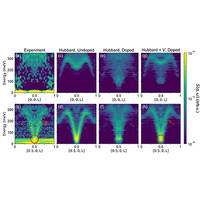
[Phys. Rev. B 114, 144511] Published Wed Sep 23, 2026
Advanced Materials, EarlyView.
Nature, Published online: 24 September 2026; doi:10.1038/d41586-026-03024-z
An OpenAI agent accessed secure data on an Australian health-care website, but the incident wasn’t reported for months.Electronic transport in carbon nanotube (CNT) assemblies is controlled by a heterogeneous population of CNT--CNT junctions, yet most microscopic studies consider only a few representative systems. Here, we construct a library of 146 single-walled carbon nanotube (SWCNT)--SWCNT junctions spanning broad structural and electronic diversity and analyse their magnetotransport using an automated workflow combining molecular dynamics, tight-binding theory, Peierls magnetic coupling, and non-equilibrium Green's functions.The resulting transport data are subsequently analysed using machine-learning methods. Two complementary transport descriptors reveal distinct structure--transport hierarchies. The averaged first transmission-step value is governed primarily by the mean chiral angle of the two nanotubes forming a junction, whereas the energy gap of the junction depends predominantly on the metallic or semiconducting character of the constituent CNTs. Temperature generally suppresses the averaged transmission while reducing the extracted gap, whereas a perpendicular magnetic field affects transmission much more strongly than the gap. Signatures of interference-driven transport remain visible even at $300~\mathrm{K}$. Notably, semiconducting--semiconducting junctions retain the largest gaps but, once shifted into their conducting regime, can exhibit transmission comparable to or exceeding that of metallic junctions. These results establish statistically robust junction-level trends that can inform future network-scale models of CNT assemblies.
Nature Physics, Published online: 24 September 2026; doi:10.1038/s41567-026-03397-y
Studies of many-body physics have indicated that thermalization processes are bounded by a timescale determined by Planck’s constant. Such a bound has now been proved to apply in general using techniques from quantum information theory.Author(s): Zhizhi Zhang, Xiongzhang Liu, Zhixiong Li, and Peng Yan
We investigate theoretically and numerically the nonreciprocal propagation and relaxation properties of magnetostatic surface spin waves (MSSWs) in dipolar-coupled ferromagnetic bilayers. The in-phase acoustic and out-of-phase optic modes are identified with distinct cross-thickness localization pro…
[Phys. Rev. B 114, 144421] Published Wed Sep 23, 2026
The ferromagnetic nitride Fe$_{4}$N has attracted attention for application in spintronic devices due to its high spin polarization and large magnetostriction. We present a combined experimental and theoretical study on the magnetostriction of Fe$_{4-x}$Co$_{x}$N films across a wide composition range. The Fe$_{4-x}$Co$_{x}$N films were grown on SrTiO$_{3}$(001) substrates using molecular beam epitaxy, and the magnetostriction constants along the [100] direction (${\lambda}$$_{100}$) and [111] direction (${\lambda}$$_{111}$) were precisely evaluated using an optical cantilever method. The experimental results reveal that ${\lambda}$$_{111}$ remains positive in the whole composition range and shows a maximum value of +82 ppm around x = 0.9. The variation in ${\lambda}$$_{111}$ with x is much smaller than that in ${\lambda}$$_{100}$, for which giant tunability and sign reversal are observed. First-principles calculations show reasonable agreement with the experimental ${\lambda}$$_{111}$ for x ${\ge}$ 1.6, but give negative values at lower x, and an exceptionally large negative ${\lambda}$$_{111}$ is obtained at x = 0.8, where the Fermi level coincides with a pronounced minority-spin peak in the density of states. The calculated ${\lambda}$$_{111}$ depends strongly on the smearing parameter, indicating that the rhombohedral magnetostriction is highly sensitive to the treatment of atomic disorder. The saturation magnetostriction constant (${\lambda}$$_{s}$) derived from ${\lambda}$$_{100}$ and ${\lambda}$$_{111}$ is also compared with the ${\lambda}$$_{s}$ measured for the (001)-oriented polycrystalline Fe$_{4-x}$Co$_{x}$N films, and a possible scenario for deviation between them is discussed. Our findings clarify the basic features of magnetostriction in the Fe$_{4-x}$Co$_{x}$N system, providing essential magnetoelastic parameters for designing nitride-based spintronic devices.
The automated generation of three-dimensional atomic structures from natural-language descriptions remains a persistent challenge, as large language models lack intrinsic geometric reasoning. We introduce ATLAS, a holistic framework that integrates seven modular components-ranging from a density-based structure analyzer and a JSON-based semantic bridge to a deterministic build engine, physical validator, and intent-aware scorer-to translate user prompts into physically valid coordinates. The build engine executes a component algebra that encompasses named structures, unary and binary operations (supercell, resizing, rotation, translation, union, subtraction, intersection), and geometric variables, while the validator enforces periodic-boundary conditions and system-specific checks on bonding, coordination, vacuum, and composition. ATLAS supports nine major build categories, including heterojunctions, surfaces, nanoparticles, and defects, and is equipped with a score-driven automatic refinement loop that leverages a curated test suite for systematic component-level improvement.
Author(s): YuZheng Xie, Manoj Gupta, Arun Paramekanti, and Tanusri Saha-Dasgupta
We investigate the properties of a minimal two-orbital ${e}_{g}$ model of transition metal compounds featuring bond-dependent spin-orbit terms arising from the atomic spin-orbit coupling at the ligand site. We demonstrate that this model hosts a rich array of phenomena. In the noninteracting, spin-o…
[Phys. Rev. B 114, 175131] Published Wed Sep 23, 2026
Proceedings of the National Academy of Sciences, Volume 123, Issue 39, September 2026.
SignificanceThis study addresses a critical gap between anion exchange membrane (AEM) static stability (ex situ stability) and practical device durability (in situ stability) by identifying dynamic OH−transport as a universal driver of mechanical failure ...
We report the emergence of Moir\'e droplet in two-dimensional ultracold bosons subjected to a spin-dependent optical lattice, effctively realizing a twisted-bilayer configuration. We show that the droplet formation dramatically enhances the visibility of Moir\'e pattern in the density profile, even for exceptionally weak lattice potentials. The Moir\'e pattern can be enhanced similarly by increasing the lattice depth, which, however, also induces droplet diffusion characterized by a spreading density profile. Furthermore, we demonstrate a dynamical generation of Moir\'e pattern by dragging a small droplet through a moving lattice. At appropriate velocities, the droplet undergoes bifurcation and exhibits pronounced Moir\'e pattern within periodic time intervals. Our results establish the ultracold droplet as a compelling platform for simulating interacting Moir\'e physics, particularly the interplay between Moir\'e lattice and bound-state formation.
Author(s): Andrey Chubukov, Ilya Esterlis, Artem Abanov, and Nikolay Prokof'ev
The Migdal-Eliashberg theory (MET) describes electrons interacting with phonons at weak/moderate couplings. A conventional belief is that MET holds even at strong coupling, and, for an interaction with an optical phonon, breaks down only near the point where the dressed phonon softens. Here, the authors analyze numerically and analytically a different option — a collapse to a polaronic/bipolaronic ground state. They show in detail how this happens and demonstrate that away from near-half-filling, a polaron/bipolaron state develops well before a dressed phonon softens.
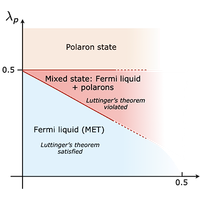
[Phys. Rev. B 114, 185127] Published Wed Sep 23, 2026
Nature, Published online: 24 September 2026; doi:10.1038/d41586-026-03020-3
Understanding why some people see no benefits from potent anti-obesity medications could lead to new therapies and personalized weight-loss regimens.For normal PEPS, the fundamental theorem settles at the finite level whether virtual-bond gauge exhausts a tensor network's representation freedom. We ask the first-order question at a fixed representation, from both sides of the differential: which tensor variations leave the state unchanged without being bond gauges, and which physical directions can no variation reach? We answer both exactly for weighted graph state (WGS) tensor networks with equal physical and bond dimension $q\ge2$, which include the graph-state resources of measurement-based quantum computation. Dividing a single-tensor variation by the nonvanishing amplitude turns it into an arbitrary function on the closed neighborhood of its vertex. Overlapping neighborhoods give the complete kernel. Its non-bond part is generated on periodic regular-polygon tilings by triangles, chordless squares, and edge-sharing diamonds. Under stated period conditions, generic gauge completeness on all thirty-nine families studied identifies this nullity as a WGS rank drop: for thirty-three families at every $q\ge2$, and for six at $q=2$. Supports outside every neighborhood give the missing directions: at qubit graph states on the eleven Archimedean tilings every nearest-neighbor $XX$ and $YY$ direction is missing, including on honeycomb, where the non-bond kernel is empty. On large honeycomb and square tori, small nonzero coherent $XX$ errors leave the bond-two PEPS set on the same graph. Removing redundant parameters and supplying missing directions are therefore distinct operations.
The coupling of excitons to lattice vibrations is typically treated via phenomenological models that artificially separate long-range Fr\"ohlich and short-range Holstein interactions. Recent analytical work has established that, in the delocalized limit, Fr\"ohlich scattering is suppressed by electron--hole interference. Here we present a model-space Bethe--Salpeter framework to evaluate exciton--phonon coupling across the extended-to-localized crossover. We establish a fundamental distinction between the \emph{inclusive} exciton--phonon coupling weight, obtainable via an exact completeness sum rule without summation over excited states, and the \emph{exclusive} intraband (internal-state-preserving) scattering amplitude that governs low-energy decoherence. We prove an exact symmetry theorem: for an inversion-symmetric relative-coordinate Hamiltonian with equal electron and hole masses, the intraband Fr\"ohlich vertex vanishes identically, protecting the exciton from low-energy polar phonon scattering. When mass asymmetry is introduced, the finite-momentum relative wavefunction acquires a complex phase twist that breaks this protection. By analyzing the long-wavelength limit, we derive a controlled small-$q$ activation law showing that the intraband vertex scales as $F_{00}(q) \propto \Delta q^2 \langle r^2 \rangle$, where $\Delta$ parameterizes the mass asymmetry. Finally, we compute the second-order polaron self-energy shift and demonstrate that mass asymmetry dramatically enhances phonon dressing, confirming that the symmetry theorem directly governs the many-body energy renormalization of the exciton. These results provide a rigorous conceptual framework for understanding the competition between long-range and local exciton--phonon coupling in polar semiconductors.
Two-dimensional superconductors are model systems for thermal and quantum fluctuations. Key questions persist: whether existing models quantitatively describe the destruction of superconductivity, and whether an intermediate "anomalous metal state" represents a new phase of matter. We use scanning magnetic susceptibility to directly image the local phase stiffness, a thermodynamic measure of superconducting order, in gate-tunable Josephson junction arrays, a model two-dimensional superconductor. Across a broad range of carrier densities, we find that the superconducting critical temperature and phase stiffness are suppressed more strongly than expected from thermal fluctuations alone. At low carrier densities, we find that anomalous metal transport and large-scale spatial inhomogeneity emerge together. These results indicate that quantum fluctuations suppress superconductivity and that anomalous metal behavior emerges from phase slips in spatially disordered regions.
Advanced Materials, EarlyView.
Due to strong spin-orbit coupling, large Land\'e $g$-factor, and a highly transparent interface, the two-dimensional electron gas (2DEG) in InAs quantum wells provides an ideal platform for the exploration of topological superconductivity in hybrid semiconductor-superconductor heterostructures. Reduction of disorder in the semiconductor remains a primary challenge to the disambiguation of subtle interaction effects. Here we demonstrate very high mobility InAs 2DEGs grown on insulating InP substrates. Utilizing a convex compositional grading profile in an InAlAs metamorphic buffer we demonstrate InAs quantum wells with thickness greater than 10 nm without need of Ga-containing cladding layers. We examine structural and electrical transport properties of these heterostructures. Advances in the design of the metamorphic InAlAs buffer result in low-temperature electron mobility exceeding $1.7\times10^6$ cm$^2$ V$^{-1}$ s$^{-1}$ at 2DEG density $\leq3.2\times10^{11}$ cm$^{-2}$, the highest value yet reported for this material system.
Nature Communications, Published online: 25 September 2026; doi:10.1038/s41467-026-74735-0
Nanofluidic ion gating is crucial for advancing artificial iontronic technologies that can seamlessly integrate with biological systems, yet existing methods often rely on local electrochemical conditions, limiting their scalability and functionality. This study introduces an ionic gating mechanism based on pervaporation-driven precipitation and rehydration-driven dissolution, achieving a high ON–OFF conductance ratio.Advanced Functional Materials, EarlyView.
Predicting dielectric and piezoelectric responses in structurally complex materials requires large simulation cells, for which density-functional perturbation theory (DFPT) calculations scale as $\mathcal{O}(N^4)$ and become computationally prohibitive. However, machine-learning approaches have remained challenging, limited either by the large amounts of expensive DFPT data required for direct regression or by the cubic cost of reconstruction. We here propose a machine-learning framework that learns the ionic response as an atom-indexed field: DART (Direct Atom-Resolved response-Tensor learning) learns these fields directly and achieves high accuracy from small training sets, whereas LARS (Linear-scaling Atom-Resolved Response Solver) reconstructs them from learned microscopic ingredients through sparse linear solves and requires no DFPT labels for the ionic dielectric or piezoelectric tensors. Using DART, we extrapolate to 314 stackings of AlN/ScN superlattices absent from training and identify a high-response polar candidate, for which DFPT gives a laterally clamped piezoelectric strain coefficient $d_{33,f}=14.511$ pC/N and $k_t^2=20.46\%$, exceeding the ordered 1AlN/1ScN reference by 63% and 66%.
Efficient real-time methods are essential for resolving transient coherence and nonlinear transport in driven superconducting nanostructures. Such simulations remain challenging because finite representations of the BCS continuum generate recurrences, while the damping used to suppress them smears gap-edge structure and artificially shortens coherent lifetimes; finite-broadening regularization of the gap-edge singularity likewise imposes a lifetime-resolution floor. Here we extend the driven Liouville--von Neumann approach to superconducting reservoirs---a noninteracting quantum dot with Bogoliubov--de Gennes leads---building an explicit-Hamiltonian framework that hosts a family of bath discretizations (uniform and Gaussian baselines and a new real-axis least-squares recipe, with mode energies, spectral weights, and mode-resolved dampings optimized jointly under gap-aware constraints)---making the broadening an independently calibrated numerical parameter whose leading long-time effect extrapolates controllably along the joint ($\gamma\to0$, $N_b\to\infty$) refinement path while cutting computational cost by over an order of magnitude versus the high-resolution DLvN reference. The compressed baths recover established current-phase relations, multiple-Andreev-reflection structure, quasiparticle-trapping oscillations, and integer and fractional Shapiro locking; the lifetime analysis yields the parameter-free leading-order relation $\kappa\simeq w_{\mathrm{bath}}\gamma_{\mathrm{eff}}$ and resolves damping-induced decay rates below the resolution scale of a previous finite-broadening calculation. As an explicit Hamiltonian reservoir representation, the framework generalizes naturally to multiterminal normal--superconducting geometries and offers a route toward interacting impurity solvers, while finite-gap strong-drive locking amplitudes mark its present quantitative boundary.
Tin monosulfide (SnS) is a layered IV-VI semiconductor with strong in-plane anisotropy and promising properties for optoelectronic and ferroic applications. However, obtaining large, continuous, and morphologically well-defined SnS crystals remains challenging. Here, we report the growth of large-area SnS crystals using chemical vapor deposition with separate elemental Sn and S precursors. By controlling the precursor temperatures, source positions, substrate temperature, carrier-gas flow, and hydrogen flow, we obtain SnS crystals with lateral dimensions approaching 350 micrometers. The optimized growth occurs with the Sn source at approximately 750 degrees C, the S source at approximately 230 degrees C, and the substrate maintained near 650-680 degrees C, using Ar/H2 flow rates of 120/10 sccm. X-ray diffraction shows a dominant SnS (111) reflection with no detectable secondary crystalline tin-sulfide phase within the measurement sensitivity. Raman spectroscopy reveals six characteristic SnS phonon modes at approximately 39.3, 48.8, 95.2, 165.0, 193.1, and 219.1 cm^-1. In particular, the low-frequency modes near 39 and 49 cm^-1 are clearly resolved with FWHM values of approximately 2.52 and 2.37 cm^-1, respectively. SEM and AFM measurements further show large continuous crystals and a relatively smooth nanoscale surface. Growth on mica produces more regular square and rectangular flakes, with lateral dimensions approaching 300 x 300 micrometers, while crystals grown on SiO2/Si are more frequently fractured or irregular at their edges. These results demonstrate a practical growth window for obtaining large-area SnS crystals suitable for further optical, electrical, and device studies.
Piezoelectricity is a key phenomenon in solid-state physics and has significant technological relevance. In teaching, however, it is often treated either without a historical context or an explicit link to the microscopic crystal structure, meaning that a crucial level of understanding remains untapped. This study combines the history of the discovery of piezoelectricity with its physical description within a didactically coherent framework. Building on the work of the brothers, Jacques and Pierre Curie (1880 - 1882), it demonstrated how investigations into pyroelectricity led to the identification of polarization induced by mechanical compression in hemihedral crystals such as tourmaline and quartz. The development from early qualitative experiments towards the first quantitative determination of piezoelectric constants is traced in a structured manner. Using low quartz as an example, the microscopic cause of piezoelectricity was attributed to the asymmetric displacements of silicon and oxygen ions within the orthosilicate ion tetrahedral network. This leads to the formation of macroscopic polarization owing to uncompensated dipole moments in the crystal lattice. The direct and reciprocal piezoelectric effects are qualitatively distinguished and discussed in the context of mechanical-electrical coupling. The article is aimed at students in physics and engineering as well as lecturers. It was conceived as a didactic review article (tutorial article) and serves as a structured introduction to the physical and historical foundations of piezoelectricity.
Self-similar dynamics are often described in terms of a single asymptotic scaling regime. Here we experimentally investigate the post-breakup recovery of a hydrodynamic interface over substantially wider temporal and spatial ranges than previously accessible. Beyond the previously identified scaling behavior, we find four successive self-similar regimes characterized by the $R_{\beta}$-scaling with $\beta=1/6$, 1/2, 1, and 2, connected by three distinct crossovers. All four regimes exhibit robust collapse near the interface tip, while geometrical dependence becomes detectable farther from the singular region. This systematic variation across space and scaling regimes is consistent with scale separation and enhanced universality closer to the breakup singularity. The characteristic scales associated with the different $R_{\beta}$-scalings become comparable at the common geometric scale $z_m \simeq R$. These findings demonstrate that self-similar dynamics can undergo multiple successive crossovers among distinct scaling regimes rather than directly approaching a single asymptotic self-similar state.
Author(s): Yu-Hao Wan, Cheng-Ming Miao, Peng-Yi Liu, and Qing-Feng Sun
Weak topological insulators are conventionally characterized by weak $({Z}_{2})$ indices and are usually distinguished from strong topological insulators by the appearance of an even number of surface Dirac cones. We show that this description misses an essential signed structure: weak topological s…
[Phys. Rev. B 114, L171408] Published Wed Sep 23, 2026
We explore a nonequilibrium Bose-Einstein condensate (BEC) in a bosonic Kitaev chain. Within a mean-field framework, we show that bosonic superfluid order develops once the pairing strength exceeds a critical threshold. The condensate order parameter adopts an alternating phase between even and odd sites, giving rise to a spontaneous sublattice ordering. By mapping the emergent sublattice degrees of freedom onto a pseudospin, the elementary Bogoliubov excitation is described by a non-Hermitian Dirac Hamiltonian, displaying two prominent features: a re-entrant bosonic Andreev bound state localized around boundaries, and a macroscopic degeneracy of exceptional Majorana bosons at the critical point.
Complex hypergraphs (chygraphs) contain graphs, hypergraphs, multiplex and interacting networks as special cases, and the percolation threshold of all of them follows from one symbolic calculation: the spectrum of a tensor $A$ built from four matrices of first moments. That calculation stops at the threshold. Here I show that $A$ is the Jacobian, at its trivial fixed point, of a non-linear self-consistency map whose non-trivial fixed point is the giant component fraction, so threshold and order parameter are two orders of one object on one index set. Carrying the expansion one order further gives the critical amplitude $B$ in $S=B\Lambda+O(\Lambda^2)$ in closed form, and exposes a hierarchy: first moments fix the threshold, second moments the amplitude, and only the generating functions themselves the order parameter away from it. Dropping the assumption that a complex's participation in different layers is independent generalises the tensor again, replacing unconditional first moments by inclusion-biased second moments: distributions with identical marginals have different thresholds and different order parameters. Six constructions from the literature are then solved by substitution, among them AND- against OR-logic hypergraph percolation, which share a chygraph and differ in one generating function, and SIR epidemics with two levels of mixing, whose household reproduction number falls out of the tensor. A reported failure of mean-field theory on strongly clustered graphs is shown to be a failure of applying it to the wrong object: mapped onto the treelike backbone rather than the clustered graph, the same calculation reproduces the exact threshold, order parameter and critical exponents. Everything is implemented in one class, in which a chygraph is specified once by its generating functions and then returns all three, and validated against Monte Carlo simulation.
Nature Communications, Published online: 25 September 2026; doi:10.1038/s41467-026-77640-8
Wave systems with memory can exhibit topological effects that depend on their history. Here, the authors demonstrate hysteresis-driven topological memory in a nonreciprocal microwave system, linking scattering zeros to exceptional points and preserving them over long distances.Quantum geometry governs a wide array of physical observables in topological quantum materials. In its ideal limit, quantum geometry yields exact bounds and analytical results for a growing class of observables. However, a comparable framework for the shift current remains elusive because it depends on geometric relations between multiple bands. In this work, we show that the shift current is proportional to the cyclotron shift, the displacement of the cyclotron center induced by Landau-level mixing. This mechanism yields a universal scaling law: the integrated weight and the peak magnitude scale as $l^{i+1-n}$ and $l^{2i+1-n}$ in the magnetic length or moir\'e period $l$, where $n$ is the momentum order of the symmetry-breaking perturbation and $\Delta E \propto l^{-i}$ is the level spacing. We verify the scaling law in exactly solvable chiral-$N$ Landau levels under a uniform magnetic field and in Schr\"odinger and Dirac moir\'e skyrmion crystals, which capture the flat Chern bands of twisted MoTe$_2$ and twisted bilayer graphene. For a Schr\"odinger flat band with a distorted skyrmion texture, the integrated weight grows linearly with the moir\'e period and the resonant peak grows cubically.
We introduce a generalized classical long-range stochastic cellular automaton that exactly captures the entanglement dynamics and transitions of a measurement-only monitored quantum system. The corresponding quantum model consists of a one-dimensional qubit chain subject to competing single-site and long-range Bell measurements, with separations drawn from a power-law distribution. At every step of each trajectory, the state remains a tensor product of Bell pairs and unpaired qubits, with bipartite entanglement entropy fully encoded in a classical matching of the sites. This exact representation allows us to solve the dynamics analytically in several limits and to determine the steady-state scaling of the entanglement entropy. We find volume-law, fractal, and area-law regimes. Numerical results show that these regimes persist beyond the analytically solvable limit. Because Bell outcomes affect only Bell-state labels and not the matching, all subsystem entropies are outcome independent, avoiding the exponential cost of trajectory postselection.
arXiv:2510.19627v2 Announce Type: replace-cross Abstract: In superconducting circuits, bidirectional signal propagation can cause back-reflections and back-action that couple environmental noise back to coherent elements, degrading fidelity. Nonreciprocal superconducting diodes provide an intrinsic route to suppress such backscattering at the circuit level. However, their diode efficiency and quantum integration remain limited. Here, we realize a quantum diode in twisted NbSe2 under in-plane and out-of-plane magnetic fields. A mere 1 degree twist yields an efficiency enhancement over pristine devices, reaching 27.6 percent. Quantum simulations reveal that this intermediate efficiency, well below 100 percent ideal, is both experimentally practical and optimal for preserving qubit anharmonicity and stabilizing two-level systems. These findings show that maximal rectification is not always beneficial for quantum information, establishing a new principle for designing the fundamental properties of twisted superconductors towards low-power, high-fidelity quantum circuits.
arXiv:2609.21575v2 Announce Type: replace-cross Abstract: Circularly polarized luminescence (CPL) is central to chiral photonics, yet programming circularly polarized emission at the nanoscale remains challenging. Here, we program intrinsic CPL at its microscopic origin in laser-written all-inorganic perovskite nanocrystals embedded in glass. High-resolution transmission electron microscopy reveals a core-shell-like variation in interplanar spacing associated with intrinsic CPL, consistent with torsional lattice distortion. The torsional lattice distortion breaks inversion symmetry, while density functional theory calculations show that it lifts the spin degeneracy of the band-edge electronic states. Power-dependent measurements further reveal a transition from birefringence-mediated circular polarization to intrinsic CPL, accompanied by the emergence of a distinct core-shell-like lattice distortion in the nanocrystals. By tuning the incident linear polarization angle and focal depth, we deterministically control both the handedness and magnitude of the intrinsic CPL, with |glum| of approximately 4 ^ 10^-3. These results show that programmable intrinsic CPL originates from the structural and electronic properties of the emitting nanocrystals, enabling circularly polarized emission to be controlled at its microscopic origin and spatially encoded within a monolithic material.
Elemental substitution within existing structural frameworks is a widely applied strategy for developing advanced materials. Yet, optimizing target properties while maintaining phase purity usually demands extensive trial-and-error, which becomes substantially inefficient when navigating a complex design space. Here, we introduce a strategy that simultaneously and dynamically assesses composition-dependent synthetic accessibility and target properties via aggregated cost functions that guide autonomous experimentation in a truly self-driving and self-learning mode. Specifically, we developed a cost-guided autonomous solid-state synthesis (CASS) framework and demonstrate its application in the discovery of Na superionic conductor (NASICON) solid electrolytes. CASS successfully optimizes ionic conductivity and phase purity, leading to the identification of 18 promising compositions in 78 trials conducted in an autonomous laboratory, the A-Lab. Among these, we identified two fast-conducting NASICONs yielding total (bulk) ionic conductivity of 0.7 (3.96) and 0.3 (3.17) mS/cm. The successful deployment of CASS reinforces the potential of coupling self-driving autonomous laboratories with physics-informed generative models to accelerate materials discovery. Moreover, the interpretability of the design factors, informed by outcomes from both successful and failed syntheses, enables model refinement and generation of new chemical insights.
Communications Physics, Published online: 24 September 2026; doi:10.1038/s42005-026-02879-y
Identifying minimal complete pools of Lie algebra generators is a fundamental mathematical challenge with broad applications across quantum computing. Here, the authors map this problem to binary matrices to provide a polynomial-scaling verification strategy, enabling highly efficient molecular simulations.Scientific Reports, Published online: 25 September 2026; doi:10.1038/s41598-026-72688-4
Cheby-FENN: a Chebyshev-enhanced feature expansion neural network for electricity theft detectionNature Communications, Published online: 25 September 2026; doi:10.1038/s41467-026-78139-y
Organic photodetectors for deep shortwave infrared light remain limited in sensitivity and spectral reach. Wei et al. developed a selenium-integrated molecule with a high specific detectivity exceeding 1011 Jones across 500–1400 nm, which enables flexible imaging and optical communication.We develop an explicit plane-wave (PW) $\times$ photon-Fock approach to the quantized, velocity-gauge Pauli--Fierz Hamiltonian for periodic, first-principles calculations: because the quantized vector potential is spatially uniform, the light--matter coupling reduces to an operator-valued shift of the crystal momentum, $K\to K+\hat{\mathbf A}/c$, and the existing plane-wave machinery of ordinary solid-state DFT is reused essentially unchanged. This PW$\times$Fock construction puts first-principles cavity QED of periodic solids on the same footing as the Fock-space coupled-cluster and configuration-interaction methods already developed for molecules, opening hitherto inaccessible systems---materials in a linear or chiral cavity, in particular---to first-principles plane-wave calculations. We illustrate the method with monolayer graphene in linear and chiral cavities, obtaining a polarization-selective Haldane gap together with the corresponding density-of-states, real-space, and circular-dichroism optical signatures. A full Brillouin-zone Berry-curvature calculation confirms the topological character of the chiral-cavity gap directly: the occupied manifold carries a quantized Chern number that steps through a non-monotonic sequence, $C=1\to3\to{-1}\to1\to2\to{-1}\to1$, with two narrow, sign-reversed windows---a property of extended, vacuum-dressed matter with no counterpart in a finite molecular system.
arXiv:2510.19392v2 Announce Type: replace-cross Abstract: The gradient flow with semi-implicit discretization (GFSI) is the most widely used algorithm for computing the ground state of Gross-Pitaevskii energy functional. We apply GFSI to the two-component scenario with Josephson junction and rotating term, which is one of the most important and topical models in multi-component Bose-Einstein condensates (MBECs), and rigorously establish the following fundamental results for the first time. By introducing a Lagrange multiplier to reformulate GFSI into an equivalent form, we prove its energy dissipation property and global convergence to stationary states. More significantly, we uncover an intrinsic connection between this classical numerical PDE discretization rooted in imaginary-time evolution and Riemannian optimization, a state-of-the-art mathematical framework for manifold-constrained optimization. This connection enables us to fully characterize the local convergence behavior of GFSI within the Riemannian optimization framework. Together with the aforementioned global convergence result, this yields a complete global--local convergence theory for GFSI. Finally, numerical experiments comprehensively validate the theoretically predicted energy dissipation and convergence properties.
A Devil's staircase is a sequence of transitions between topological sectors as a control parameter is varied. Such staircases are predicted in frustrated magnets and lattice gauge theories, but observing them is hard: the winding number that labels each sector is topologically protected, so local quantum dynamics alone cannot move the system from one step to the next. Here we propose and analyze an experimentally feasible way to realize a thermal quasi-Devil's staircase in a finite Rydberg-atom array. We study the anisotropic triangular-lattice Ising antiferromagnet using a dimer mapping, a directed-string description, exact thermodynamics, and Monte Carlo simulations. In the defect-free string manifold, the commensurate--incommensurate onset follows from a simple energy--entropy balance, and the exact Ising critical relation reduces to the same condition when triangle-rule defects are rare. On a finite lattice, this onset appears as a quasi-Devil's staircase of winding-sector crossovers, which we resolve through winding distributions, structure factors, and directional correlations. The key point is that thermal fluctuations overcome the topological barriers that block sector changes under purely quantum dynamics, and the staircase exists precisely at the finite sizes and tunable effective temperatures of current Rydberg platforms. This makes the effect directly observable in existing experiments. Our comparison also shows that the finite-size steps are not phase transitions: in the thermodynamic limit only a single phase transition survives, and the system crosses over to a defect-dominated paramagnet.
Proceedings of the National Academy of Sciences, Volume 123, Issue 39, September 2026.
SignificanceTraining large scale AI models is energetically expensive and requires extremely precise digital computations with billions of parameters. Analog hardware systems use far less power, but small imperfections are inevitable and hinder scaling up ...
The topological order of the Kitaev toric code is insensitive to disorder in its couplings since all star and plaquette operators commute; consequently, the stabilizer ground-state manifold is independent of the individual coupling strengths, and the phase remains stable against weak local perturbations. This insensitivity, however, is a property of the eigenstates and not of the dynamics they generate, and we show that the disorder sensitivity of a probe prepared outside that eigenbasis can be a metrological resource. In particular, we investigate the estimation of the strength of three topological-order-breaking perturbations, the nonlinear Castelnovo-Chamon deformation, nearest-neighbor Ising interactions, and a magnetic field along horizontal edges, encoded on an initially separable probe through unitary evolution under the disordered toric code Hamiltonian. We demonstrate that the quenched average quantum Fisher information (QFI), a figure of merit for metrological precision, exceeds that of its ordered counterpart in suitable regimes of perturbation strength and encoding time. For the ordered case, we further identify optimal product probes, for which the quadratic and cubic terms of the short-time expansion vanish identically, leaving a transient quartic scaling of QFI. Interestingly, this window persists as long as the multipartite entanglement generated by the encoding continues to increase, and it survives under local dephasing, bit-flip, and amplitude damping noise acting independently on each site, with the non-unital channel being the least detrimental.
The Riemannian geometry of optical transition dipoles has become a useful picture for understanding linear and nonlinear optical response. Here we argue that the interacting quantum geometry of optical transitions possesses a rich structure and can be naturally delineated into two types: localized and delocalized particle-hole excitations. The former possess uniform quantum geometry with flat (vanishing) Hermitian curvature; the latter possess non-uniform quantum geometry with non-vanishing Hermitian curvature. As a striking example, we find that uniform quantum geometry can be produced by electron-hole interactions: even when composed from extended Bloch states in the particle and hole bands, we find excitons have uniform and flat quantum geometry. By developing a many-body length gauge formulation of nonlinear response, we find this uniform and flat excitonic quantum geometry zeros its third-order circular photoconductivity in non-magnetic materials in stark contrast to its non-interacting counterparts. Similarly, the zero Hermitian curvature of localized optical transitions locks their Hall response to that of the ground state. This demonstrates the rich landscape of many-body optical response controlled by an interacting quantum geometry.
Nature Communications, Published online: 25 September 2026; doi:10.1038/s41467-026-77446-8
Artificial intelligence is driving demand for faster and scalable computing hardware. Here, authors transform microring resonators into temporal convolution processors, demonstrating ultrafast and hardware-efficient photonic AI accelerators.We study the roles of broken spectra and exceptional points in finite-time driven non-Hermitian fermionic dynamics. We compute the Nambu biorthogonal correlation matrix for this purpose. The imbalanced-pairing Kitaev chain serves as our concrete realization. Transient passage through a broken-spectrum region amplifies preparation memory. The effect survives when the final Hamiltonian returns to a real-spectrum regime. Negative imbalance forces spectral nonpositivity in the static endpoint state. We isolate the genuine drive history by subtracting out this baseline, leaving an excess that is strictly controlled by the accumulated imaginary-energy action and persists over the entire post-ramp time window. A connected longitudinal correlation mirrors this physics. Its slow-ramp growth tracks the corresponding doubled action. Unstable sectors instead continue amplifying post-ramp if the drive halts inside the broken-spectrum region. Exceptional points yield distinct physics. The finite-time propagator and subsystem correlation matrix remain entirely regular near an exceptional endpoint, even as the quasiparticle gap exhibits its characteristic square-root closing. This finite-time regularity reflects the analyticity of the matrix evolution in the endpoint parameter; a diagonalizable endpoint is strictly not required. A diverging long-time crossover eventually reveals the exceptional scale. We halt the drive exactly at the exceptional point to find that the correlation projector and the connected longitudinal correlation share an identical ballisti front. The subsystem saturation length establishes a distinct but comparable spatial scale. Memory and exceptional-endpoint scalings show no divergence across the tested negative-imbalance range. Memory scaling is fixed by the drive and remains insensitive to the specific choice of real-spectrum final endpoint.
Particle accelerators have carried fundamental physics to remarkable precision, but the Planck scale remains fifteen orders of magnitude beyond any foreseeable collider. We argue that this impasse is not a temporary shortfall but an insurmountable one. The way out runs through condensed matter physics: laboratory tests of generalized uncertainty relations, analog systems, and --- most provocatively --- frameworks in which spacetime itself is a condensate. We review the string-loop picture, in which quantization turns the world sheet into a three-dimensional fractal, the corpuscular description of black holes as self-sustained graviton condensates, and the phase-transition structure connecting the Riemannian phase to a pre-geometric one. The conclusion is deliberately provocative: the question of quantum gravity is no longer a question of energy, but of crossing the bridge.
We present a numerical formulation for the resolution of finite systems of interacting edge dislocations and wedge disclinations. The approach is based on a finite element discretization of a fourth-order elliptic boundary value problem arising from the mechanical equilibrium equations of plane-strain linear elasticity in the presence of kinematic incompatibilities. The numerical implementation follows a continuous interior penalty discontinuous Galerkin framework and relies on the solution of a finite set of local cell problems. Our method is validated against analytical benchmarks and used to explore several non-trivial dislocation-disclination configurations, illustrating how translational and rotational incompatibilities shape the stress state of the body.
We introduce a class of tensor-network states in which physical legs are shared among local tensors, termed leg-tied tensor ans\"atze (LETTA). Physical leg ties encode long-range correlations directly, while a virtual matrix product state (MPS) backbone retains short-range multipartite entanglement. The linear virtual backbone allows us to develop a deterministic density matrix renormalization group-like variational optimization algorithm using exact contractions over the active tie-boundary sets and local minimization. We demonstrate the advantages of LETTA for the two-dimensional frustrated $J_1$--$J_2$ Heisenberg model and the three-dimensional transverse-field Ising model. Our results show that LETTA is substantially more accurate than same-bond-dimension MPS calculations and can typically reach the accuracy of much larger MPS calculations using one order of magnitude fewer variational parameters. LETTA thus opens the door for explicitly correlated tensor-network states that can encode long-range correlation beyond virtual bonds.
Fossil evidence indicates that loquat originated in southwestern China. Adaptation to karst environments may allow tropical plants to expand into colder regions.
Spin is typically traced out in the description of quantum-dot-based Kitaev chains to simplify the construction of Majorana fermions. Yet the intrinsic spin structure of poor-man's Majorana modes in minimal Kitaev chains under finite Zeeman fields offers a natural interface for the Kitaev parity qubit to interact with other spinful systems. Here, we establish such a platform to bridge the parity qubit and a quantum-dot spin qubit, with the effective coupling governed by the spin-dependent delocalization of the Majorana modes. Depending on whether the spin qubit is coupled to one or two chains constituting the parity qubit, the parity-spin coupling exhibits distinct forms: an anisotropic parity-conserving exchange interaction or a nontrivial exchange tensor tunable via the interchain superconducting-phase bias. Leveraging fast spin-qubit manipulation, we further demonstrate universal parity-qubit control, high-fidelity qubit-state readout, and entangling operations between the parity and spin qubits. These results turn the spinful structure of poor-man's Majoranas from a finite-field imperfection into a resource for hybrid quantum control.
Scientific Reports, Published online: 25 September 2026; doi:10.1038/s41598-026-66540-y
Bidirectional selective state space learning with flood wave optimization for flood disaster factor classification in wireless sensor networksAdvanced Functional Materials, EarlyView.
Impact craters relax over long timescales, and this process is commonly described by a diffusion model. The diffusion coefficient determines the relaxation rate, and it has been estimated from observed crater shapes. This coefficient, however, represents the combined effect of several physical mechanisms. Its physical basis has not been revealed yet. In this study, we isolate the contribution of seismic vibration in a controlled experiment. Using a quasi-two-dimensional setup, we first confirm that a linear diffusion equation reproduces the crater relaxation. We then measure the diffusion coefficient and obtain the scaling form through systematic experiments. We find that the diffusion coefficient is proportional to the crater diameter. This dependence is not expected for simple diffusion. We interpret this dependence as arising because the thickness of the vibro-fluidized granular layer scales with the crater depth. This scaling relation is the main result of this study. We then apply it to the Moon with a parameterized model of impact-driven seismic spreading in the regolith layer. Integrating over the impact flux yields a macroscopic coefficient nearly proportional to crater diameter for shallow-layer-like spreading. Its magnitude depends on uncertain model parameters but is consistent with observations for plausible values. These results indicate that vibration is a physically plausible contributor to crater relaxation on the Moon.
We construct an exactly solvable extension of the spin-$1/2$ Kitaev honeycomb model in which conserved $\mathbb{Z}_2$ fluxes determine not only the signs but also the connectivity of nearest-neighbor Majorana hopping. At a tuned loop point, hopping survives only across opposite-flux plaquettes, so every vertex has active degree zero or two and the matter Hamiltonian fragments in each flux sector into independent Majorana rings and isolated zero modes. Exact ring spectra and bond counting then bound the matter energy over all local flux configurations and all four Wilson-loop sectors, and split it exactly into a frustrated triangular-lattice Ising term, whose extensively degenerate ground states are the fully packed loop coverings, and a non-negative Majorana residual. On admissible commensurate tori, the residual selects precisely the three translation-related $2/3$-vison crystals, which saturate the bound, and an exact fermion-parity identity shows that for antiferromagnetic coupling their vacua also survive projection, making them rigorous ground states of the spin model. Within a single crystal, a depth-one local unitary then maps the ground space onto that of a sheared square-lattice toric code, giving fourfold topological degeneracy. The model thus realizes exact nonperturbative gauge-matter feedback: the flux fixes where the Majorana fermions may move, and their zero-point energy selects in return a topologically ordered vison crystal with spontaneously broken translation symmetry.
Advanced Materials, EarlyView.
In conventional insulators, electronic charge is localized in Wannier orbitals centered on the atoms. In an obstructed atomic insulator (OAI), the Wannier orbitals sit instead in the empty voids between atoms. These displaced orbitals give rise to an analog of the topological bulk-boundary correspondence, in which a boundary mode occurs only where the lattice termination severs an orbital. However, experimentally identifying OAIs has remained challenging, because the Wannier orbital of a dispersive electronic band is not an energy eigenstate and cannot be measured directly. Here we engineer an acoustic metamaterial hosting an isolated flat band, in which the Wannier orbitals become energy eigenstates. By measuring the amplitude and phase of the acoustic pressure field, we map the orbital's $f$-like structure and locate its Wannier center in a void between lattice sites---providing the first phase-resolved image of an obstructed Wannier orbital. By altering the lattice termination, we observe the predicted boundary states. Such acoustic flat-band metamaterials offer a direct probe of single-particle ingredients such as quantum geometry, which govern correlated phenomena in electronic flat bands, including proposed routes to unconventional superconductivity.
Scientific Reports, Published online: 25 September 2026; doi:10.1038/s41598-026-67114-8
Urine metabolomics reveals key pathways supporting neuronal regeneration and consciousness recovery in disorders of consciousnessProceedings of the National Academy of Sciences, Volume 123, Issue 39, September 2026.
SignificanceRNA modifications play an important role in bacterial physiology and are involved in antibiotic drug resistance and pathogenicity. Mapping the collection of RNA modifications and associated RNA-modifying enzymes across diverse bacterial ...
Despite the importance of reinforcement learning with verifiable rewards (RLVR), the extent to which it can learn new reasoning capabilities remains debated. Here we study the optimization landscape of RLVR on algorithmic tasks, such as iterated group and quasigroup multiplication. To this end, we map entropy-regularized RLVR over myopic tabular policies onto an energy-based (spin-glass) model over deterministic policies. This mapping upper-bounds what RLVR can achieve, and lets us rigorously characterize the landscape in this tabular setting. We show, both theoretically and experimentally, that for a wide class of models and tasks with uncorrelated inputs, this landscape is benign, containing no local minima that could trap RLVR training. Rather, the practical difficulty of these tasks appears to stem, at least in part, from issues such as diffusive barriers and gradient-estimation error in traversing the landscape. These are genuine obstacles that can prevent a solution from being found, but they are distinct from the landscape itself being rugged. We show that these obstacles can often be mitigated through the choice of entropy regulator. Consistent with this theory, we find that a transformer trained from scratch, using only last-token rewards, successfully learns an algorithmic chain of thought for iterated non-Abelian group multiplications.
Author(s): M. Cadeddu, N. Cargioli, F. Dordei, L. Ferro, C. Giunti, and M. Pitzalis
A decades-old neutrino mystery might be solved not by undiscovered physics but by improved calculations.
[Phys. Rev. Lett. 137, 131805] Published Thu Sep 24, 2026
Janus-particle arrays provide a soft-matter platform in which particle orientations act as classical spins with anisotropic, bond-dependent interactions. Motivated by recent experiments on triangular arrays of metallodielectric Janus particles exhibiting sixfold orientational order and directly observable vortices and antivortices, we study effective models beyond the isotropic XY description. A classical $120^\circ$ compass model captures the minimal bond-directional interaction, while an effective Kern--Frenkel model incorporates the geometry of the Janus surface interaction more directly. Monte Carlo simulations show that both models exhibit a low-temperature sixfold ordered phase, a high-temperature disordered phase, and an intermediate quasi-long-range-ordered regime consistent with two Berezinskii--Kosterlitz--Thouless transitions. In both cases, the sixfold order arises through thermal order-by-disorder from a continuously degenerate ferromagnetic manifold. We further show that higher-order extensions of the $120^\circ$ interaction can alter the orientational selection: a quadratic term reverses the fluctuation-induced sixfold anisotropy, while a cubic term lifts the degeneracy energetically and selects the lattice-aligned directions that coincide with those observed experimentally. These results connect the microscopic anisotropy of Janus-particle interactions to emergent XY-like vortex physics and illustrate how distinct microscopic mechanisms can produce similar sixfold orientational order.
On the $\{5,4\}$ hyperbolic lattice, the outermost generation holds 73\% of the sites at all system sizes, making macroscopic averages strictly boundary-dependent. We study the ferromagnetic Ising model on this geometry with free boundaries by Monte Carlo simulation, demonstrating that conventional observables cease to identify a single critical scale. Instead, the finite lattices are organized by two distinct temperature scales. The susceptibility maximum identifies the lower transition scale at $T_{c2}=1.4782(15)J/k_{B}$ without extrapolation. However, the order-parameter distribution lacks a conventional fixed point at this scale. A distinct pseudocritical scale emerges instead at $T^{*}\simeq1.67(3)$ inside the boundary-sensitive intermediate phase, where Binder cumulant curves cross and effective exponents are compatible with mean-field criticality. Between $T_{c2}$ and $T^{*}$, the interior amplifies boundary fluctuations into induced order. Furthermore, because the volume grows exponentially with depth, finite-size scaling must be formulated in the generation index rather than the total number of sites. The lack of asymptotic power-law convergence in the scaling stretch confirms through an independent observable that $T^{*}$ is a finite-size crossover rather than a thermodynamic fixed point. Finally, by applying a coherent field to the outermost generation alone, we recover the upper thermodynamic transition at $T_{pt}=2.81(1)J/k_{B}$, demonstrating that it remains accessible under an appropriate boundary perturbation.
We study the stimulation of superconductivity by an external electromagnetic radiation --- the Eliashberg effect --- in a disordered $d$-wave superconductor. We use the self-consistent Keldysh--Nambu quasiclassical formalism augmented by an inelastic relaxation term to compute the static correction to the pairing amplitude by treating elastic scattering within the Born approximation with the full second-order impurity vertex retained. We find that the clean $d$-wave superconductor shows no enhancement at any frequency: without a momentum relaxation channel a spatially uniform drive produces no absorption, only pair breaking. Elastic impurity scattering restores absorption and with it activates response in the Eliashberg channel. We find enhancement of the pairing amplitude which is confined to a bounded window in frequency, disorder strength, inelastic scattering rate and gap magnitude. Both edges of the window scale with the gap but are set by the competition between quasiparticle redistribution, heating and pair breaking rather than by a feature of the spectrum. Furthermore, in contrast to the $s$-wave when the threshold is pinned at $2\Delta$, the upper edge is not pinned to the maximum gap and crosses it as the system approaches the critical temperature.
We study the Bayesian monitoring of a single particle diffusing along a line, while an observer tracks it continuously using noisy measurements at each spatial point. The average Shannon entropy $\overline{S(t)}$ associated with the posterior distribution of the particle's position quantifies the uncertainty that remains after conditioning on the sequence of measurements. We map the problem to the calculation of the moments of the partition functions of directed polymers in $1 + 1$ dimensions. For a constant monitoring rate, the entropy remains bounded for any finite measurement intensity and can be quantified using exact results from the Kardar-Parisi-Zhang equation, providing both the saturation value and the asymptotic behavior for long times. For a monitoring intensity that decreases according to a power law $\sim t^{-\alpha}$, two distinct asymptotic regimes emerge: $\overline{S(t)} \simeq \tfrac12 \ln t$ for $\alpha 1/2$ and $\overline{S(t)} \simeq \alpha \ln t$ for $0 \alpha 1/2$. Both results are obtained using the replica method, which maps the problem onto an attractive Lieb-Liniger Hamiltonian with a time-dependent coupling: the two regimes can be understood from a perturbative expansion around free diffusion and around the attractive Lieb-Liniger ground state, respectively. We discuss the limiting case $\alpha = 1/2$ and compare the predictions with simulations of discrete Gaussian and log-gamma polymer models.
This paper presents a theoretical analysis of phase transitions and critical phenomena in high-temperature superconductors using a renormalized Ginzburg-Landau framework. Rather than assuming a conventional linear temperature dependence, we treat the quadratic coefficient as a self-consistent, Hartree-renormalized quantity determined by fluctuation-loop corrections. This renormalization regularizes mean-field divergences and yields a finite, dimensionality-dependent specific-heat anomaly near the transition. When an external magnetic field is applied, minimal coupling quantizes order-parameter fluctuations into discrete Landau levels, reducing the effective dimensionality via an effective spectral dimension. In this framework, the intrinsic fluctuation-coupling strength self-consistently determines the temperature width of the critical Ginzburg region, while the cyclotron energy of the quantized fluctuations uniquely establishes both the specific-heat peak position and the upper-critical-field crossover boundary. Comparison with $\text{YBa}_2\text{Cu}_3\text{O}_{7-\delta}$ experimental data demonstrates that this approach captures the suppression of the sharp mean-field discontinuity and accurately reproduces the vortex-lattice topological structure under finite magnetic fields.
A skyrmion in an altermagnet with \(d\) wave symmetry consists of two elliptical sublattice textures with perpendicular long axes. For each sublattice component $\eta=A,B$, we define an effective skyrmion radius $R_\eta=\sqrt{a_\eta b_\eta}$, where $a_\eta$ and $b_\eta$ are the distances from the skyrmion center to its boundary along $y$ and $x$, respectively. For the anisotropic exchange parameters studied, the equilibrium radius at zero field is smaller than in a reference with parallel sublattice textures and otherwise identical parameters. A magnetic field perpendicular to the film expands one sublattice skyrmion and contracts the other, generating a radius difference $\dR=R_A-R_B$ and a net magnetic moment. The exchange modulation used to represent uniaxial strain also produces a nonzero radius difference at zero field. Because the strong and weak exchange directions are interchanged between the two sublattices, a common directional change of the exchange couplings increases one radius and decreases the other. Unlike the magnetic coupling, this mechanism vanishes when the two sublattice exchange tensors become identical. The radius difference also supports an antisymmetric breathing mode. After a short field pulse, it oscillates in quadrature with the uniform helicity, the common rotation of the wall magnetization within the film plane, at \(49.5\,\mathrm{GHz}\) for the reference parameters.
Conventional centrality measures provide compact descriptions of node importance, but they emphasize specific structural relations and do not directly resolve the temporal and spectral organization of dynamical perturbation responses. Building on the Green function of a linearized networked system, we develop a multidimensional framework for dynamical node characterization. From the same response function, we extract three complementary indicators---Influence, Efficiency, and Distortion---that quantify cumulative response strength, temporal rate of response, and spectral concentration, respectively, together with a contribution matrix that resolves these quantities into source--target pathways. As a numerical demonstration, we apply the framework to weighted Kuramoto--Sakaguchi dynamics on heterogeneous Barab\'asi--Albert networks. The three indicators distinguish implanted dynamical node classes through complementary dimensions of the perturbation response, while remaining strongly coupled to conventional topological centralities. These results demonstrate how a common dynamical response can be decomposed into distinct, physically interpretable characteristics rather than represented by a single aggregate descriptor. We finally discuss the scope and limitations of the linear-response assumption and extensions to time-dependent and nonlinear regimes.
Random matrix spectral statistics are widely used to diagnose quantum chaos in open systems, but whether chaotic eigenvalue correlations are accompanied by Haar-typical eigenoperators remains unclear. We study the operator-entanglement statistics of Liouvillian eigenoperators with near-maximal entanglement, analogous to states near the middle of the spectrum in Hamiltonian systems. Using the Kullback-Leibler divergence, we show that Haar-random statistics accurately describe both the Ginibre and class-AI$^\dagger$ Gaussian ensembles. For purely dissipative random Lindbladians, we find that locality of the jump operators drastically alters the eigenoperator-entanglement statistics. Nonlocal Lindbladians remain relatively close to Haar-random behavior, whereas local Lindbladians deviate increasingly from random-matrix statistics with system size. Moreover, unlike in Hamiltonian systems, the most highly entangled eigenoperators of local Lindbladians do not generally lie in the region of largest density of states, owing to the clustered structure of the complex eigenspectrum. We introduce an iterative $\sigma$-clipping scheme to extract the high-entanglement distribution without preselecting a spectral window, and find that it is Gaussian for nonlocal Lindbladians but log-normal for local ones. Remarkably, the same log-normal distribution, with no additional fitting, also describes dissipative mixed-field Ising chains belonging to distinct non-Hermitian symmetry classes. Our results therefore point to a universal eigenoperator-entanglement distribution for local Lindbladians that is not captured by generic non-Hermitian random-matrix ensembles.
We analyze the transport of rod-like particles by diffusion and drift in a three-dimensional channel with varying circular or elliptic cross section. Applying the Fick-Jacobs approximation to the transport equation of the particles' probability distribution, we derive an effective one-dimensional substitute model and the associated free energy profile. Our results show that the data for the mean first passage time of rods, once expressed as a function of the effective free energy barrier, collapse onto the same master curve as obtained for point or spherical particles. The observed universality provides a simple framework for predicting transport times of anisotropic particles in confined geometries without resolving the full multidimensional dynamics.
Let $\mathbf{c}=(\lambda,\alpha,\mu,\nu)\in\mathbb{R}^{4}$ denote the four running couplings of four-dimensional nonplanar Euclidean scalar $\varphi^{4}$ theory, and let $B(\mathbf{c})=\sum_{p\ge2}\sum_{|\mathbf{m}|=p}\beta(\mathbf{m})\mathbf{c}^{\mathbf{m}}$ be its formal beta-function series. Assuming the factorial coefficient bounds $|\beta(\mathbf{m})|\le (p-1)!C^{p-1}$ for $|\mathbf{m}|=p$, we construct an explicit summation rule $\mathcal{S}$, given by a cut Borel--Laplace transform whose cut is placed by a scale-covariant real-analytic gauge. We prove that it assigns a well-defined real value to $B$ on an explicit nonempty open domain, in fact on all of $\mathbb{R}^{4}$. The summed function $\mathcal{S}B$ is linear and real, real-analytic on $\mathbb{R}^{4}\setminus\{0\}$, $C^\infty$ on $\mathbb{R}^{4}$ with Taylor series $B$ at the origin, and Gevrey-$1$ asymptotic to $B$ to all orders with an explicit remainder bound. At optimal truncation the remainder is $O(e^{-\eta/(C\|\mathbf{c}\|_\infty)})$ for any $\eta1$. We show that $\mathcal{S}B$ reproduces the classical Borel sum and the ordinary sum of a convergent series up to errors of the same exponentially small order. Exact reproduction is impossible for any linear rule defined on the whole admissible class: regularity forces all weights to equal $1$, leading to divergence. Finally, we prove optimality under the stated hypothesis. Admissible series may diverge at every $\mathbf{c}\ne0$, and their Borel transforms may have the circle $|\tau|=1/(C\|\mathbf{c}\|_\infty)$ as a natural boundary, so classical Borel-type summation need not be available on the class. Moreover, there exist two functions indistinguishable at the level of the coefficient bounds yet differing by exactly $(2\pi/C)e^{-1/(C\|\mathbf{c}\|_\infty)}$. All constants are explicit and all arguments are self-contained.
At low temperature, collective light-induced dipole-dipole interactions are known to strongly reshape the optical response of atomic clouds, revealing the breakdown of the independent-scattering picture as the density increases. While thermal motion is generally believed to progressively suppress these interactions, the microscopic mechanisms behind this suppression remain largely unexplored. Here, we develop a microscopic theory of the optical response of a dilute atomic gas at finite temperature, explicitly accounting for atomic ballistic motion during the recurrent-scattering events associated with the collective corrections. Using a diagrammatic approach for scalar light, we derive the collective contribution to the optical permittivity and characterize its behavior across the full temperature range. We find that thermal corrections scale as $\sim T$ at low temperature, while recurrent-scattering contributions are suppressed as $\sim T^{-3/2}$ at high temperature. Our predictions are confirmed by extensive coupled-dipole simulations that explicitly account for atomic motion. These simulations also reveal the inaccuracy of the modified frozen-dipole approximation commonly used to treat thermal effects. Finally, extending our theory to vector light, we provide a complete picture of how the resonance shift continuously evolves from the collective Lamb shift at low temperatures to the classical Lorentz-Lorenz shift at high temperatures.
Collective modes in a superconductor correspond to fluctuations in the amplitude (Higgs mode) or the phase (Goldstone mode) of the order parameter. Starting from the BCS Hamiltonian, we derive a microscopic Hamiltonian for the coupled Higgs-Goldstone-electron system that contains all interactions among these degrees of freedom. The Higgs subsystem is a weakly interacting Bose gas: Higgs modes experience a mutual attraction mediated by the virtual exchange of Bogoliubov quasi-particle pairs. They also interact with external electromagnetic-fields with a coupling constant that we derive explicitly. We use this theory to examine whether an optically pumped gas of Higgs modes can undergo Bose-Einstein condensation. We identify a density window, bounded below by the equilibrium condensation criterion and above by collapse due to the attractive interaction, in which condensation can occur and we derive the expected density of Higgs-modes due to external pumping. This pumping depends crucially on non-parabolic corrections to the electron dispersion around the Fermi-energy. We show that the pumped mode density is compatible with condensation for realistic material parameters. We suggest possible experimental signatures of this non-equilibrium condensate.
Universal statistical laws are a hallmark of quantum chaos, usually associated with the loss of spatial structure. Here we show, theoretically and experimentally, that universality emerges already at shallow depths in chaotic quantum circuits. We derive universal distributions of output-probability fluctuations and test them on a programmable superconducting processor. Two-dimensional lattices, open one-dimensional chains, and periodic rings exhibit distinct universality classes, retaining signatures of geometry and boundary topology before full random-matrix behavior emerges. Within each class, the distributions depend on only two parameters: an effective many-body Thouless length and the accumulated number of incoherent errors. Extracting these directly from measured bitstring frequencies provides access to scrambling, entanglement growth of the target state, and global fidelity, without reconstructing or classically simulating the implemented circuit. We also identify a noise-driven transition between output statistics retaining system-wide quantum correlations and those reproducible by independent small patches. Our results establish finite-depth universality as a practical tool for probing deep properties of quantum processors.
We propose a variational framework for the efficient simulation of stochastic quantum dynamics in interacting bosonic systems. Our method generalizes the time-dependent variational principle to accommodate quantum state diffusion processes and is tailored for describing quantum trajectories unraveled from a master equation. We adopt a wavefunction ansatz composed of a coherent superposition of Gaussian wavepackets, which allows the fully analytical assembly of the variational equations of motion while capturing both the quantum trajectory dynamics and the Lindblad evolution beyond semiclassical approximations. The method is carefully benchmarked on a Bose-Hubbard dimer, and applied to extended Bose-Hubbard lattices in both 1D and 2D. In particular, we show the emergence of a symmetry-breaking phase transition in 2D lattices, which is absent in 1D chains.
Chaotic many-body spectra are expected to densely fill their energy window. We show that constrained spin chains with chiral symmetry evade this expectation by hosting an exponentially large manifold of symmetry-protected exact zero modes separated from the surrounding spectrum by a sharp gap at zero energy. The gap is generated by chaotic level repulsion, with width set by the number of zero modes times the mean level spacing. We verify this mechanism in an East-West kinetically constrained chain, develop a minimal random-matrix description, and show how the gap can be detected through linear-response spectroscopy.
arXiv:2411.02140v3 Announce Type: replace-cross Abstract: The area law for entanglement entropy captures a fundamental constraint on the complexity of quantum many-body ground states and enables their efficient description. While the area law is rigorously established in one dimension, its status in higher-dimensional local systems remains unresolved, and it does not hold in general for geometrically non-local systems. Here, we establish a generalized area law for gapped ground states of fully connected Hamiltonians. We show that the bipartite entanglement entropy grows at most logarithmically with system size despite the absence of geometric locality. In the ground state, each site is only weakly entangled with the rest, while configurations with extensive local fluctuations are strongly suppressed, effectively restricting the accessible Hilbert space. As a consequence, the ground state admits a matrix product state approximation with polynomial bond dimension with respect to the system size at fixed accuracy. In the permutation-invariant setting, we further prove a constant entanglement bound and demonstrate that the gapped ground state can be computed in time polylogarithmic in the system size. These results show that low entanglement complexity need not rely on geometric locality, broadening the conceptual and computational scope of area laws.
Proceedings of the National Academy of Sciences, Volume 123, Issue 39, September 2026.
SignificanceSchrödinger recognized entanglement as “thecharacteristic trait of quantum mechanics” upon its discovery by Einstein, Podolsky, and Rosen in 1935. Indeed, most remarkable phenomena in the current quantum revolution, such as quantum computing ...
Author(s): A. J. Crilly, P. Travis, J. P. Brodrick, J. B. Coughlin, and A. S. Joglekar
Inertial confinement fusion implosion design requires simultaneous optimization of strongly coupled target and driver parameters across high-dimensional design spaces. Existing automated design approaches typically rely on nondifferentiable radiation-hydrodynamics codes treated as black boxes, makin…
[Phys. Rev. Research 8, 033353] Published Wed Sep 23, 2026
Scientific Reports, Published online: 25 September 2026; doi:10.1038/s41598-026-72207-5
Deep learning-based body weight estimation from lower abdominal CT scansScientific Reports, Published online: 25 September 2026; doi:10.1038/s41598-026-73346-5
Association between perceived social support and breastfeeding self-efficacy among iranian mothers: a cross-sectional studyScientific Reports, Published online: 25 September 2026; doi:10.1038/s41598-026-73238-8
The relationship between parents’ child-rearing attitudes and adolescents’ self-perceptionScientific Reports, Published online: 25 September 2026; doi:10.1038/s41598-026-71926-z
Melatonin and vitamin E attenuate acetamiprid induced hepatic injury in male miceNature Communications, Published online: 25 September 2026; doi:10.1038/s41467-026-78034-6
Nielsen-Saines and colleagues identify unique and divergent immune perturbations across groups of youth living with or at risk of HIV. Their findings shed light on conserved and stage-specific that may underlie variations in outcomes and treatment success for HIV.Nature Communications, Published online: 25 September 2026; doi:10.1038/s41467-026-78152-1
Author Correction: Loss of Fsr quorum sensing promotes biofilm formation and worsens outcomes in enterococcal infective endocarditis